
Your heating and cooling system plays a major role in your home’s energy use, but reducing your monthly utility costs does not always require replacing your equipment. In many cases, a few practical changes can improve efficiency, reduce unnecessary system runtime, and help your home stay more comfortable throughout the year.
Use Your Thermostat More Efficiently
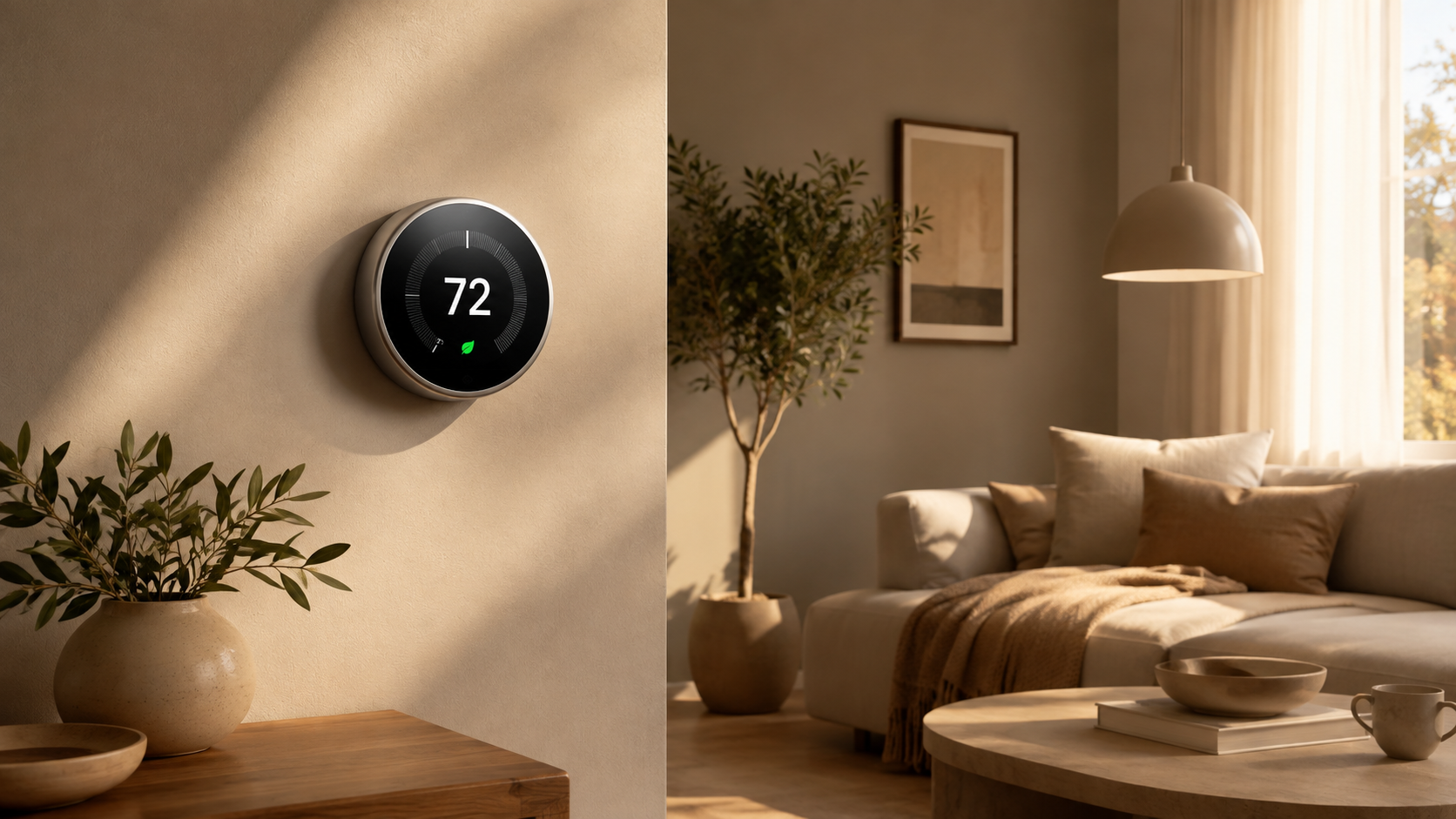
Small thermostat adjustments can make a noticeable difference over time. If your system runs at the same temperature all day, even when no one is home, it may be using more energy than necessary.
A programmable or smart thermostat can automatically adjust temperatures based on your schedule. Lowering heating slightly while you are sleeping or away from home, or raising the cooling temperature when the house is empty, can reduce system runtime without making the home uncomfortable when you are actually there.
The goal is not to make extreme temperature changes. Consistency and modest adjustments usually work better than constantly forcing the system to recover from large temperature swings.
Replace or Clean Your HVAC Filter Regularly
A dirty air filter can restrict airflow and make your heating or cooling equipment work harder than it should. That extra strain can increase energy use and may also reduce comfort.
Check your filter regularly and replace it according to the manufacturer’s recommendations. Homes with pets, higher dust levels, renovations, or allergy concerns may need more frequent filter changes.
A clean filter supports better airflow and helps the system operate more efficiently.
Keep Vents and Registers Clear
Furniture, rugs, curtains, and other household items can block supply or return vents. When airflow is restricted, your HVAC system may have to work longer to reach the desired temperature.
Walk through your home and make sure vents are open and unobstructed. Proper airflow also helps maintain more even temperatures from room to room.
Schedule Routine HVAC Maintenance
Regular maintenance is one of the simplest ways to support efficient system performance.
During a professional maintenance visit, the technician can inspect important components, check airflow, clean areas that may be affecting efficiency, and identify developing issues before they become larger problems.
A well-maintained system is generally better prepared to operate efficiently during periods of heavy heating or cooling demand.
Reduce Air Leaks Around the Home
Conditioned air can escape through gaps around windows, exterior doors, attic access points, and other areas of the home. These leaks can cause your heating or cooling system to run longer than necessary.
Weatherstripping, caulking, and other basic air-sealing improvements can help reduce unwanted heat transfer and keep more conditioned air inside.
Improving insulation may also help, particularly in older homes or areas such as attics and basements.
Pay Attention to Your Ductwork
Your ductwork is responsible for distributing heated and cooled air throughout the home. Leaks, disconnected sections, poor insulation, or restricted ductwork can reduce system efficiency.
If some rooms are consistently harder to heat or cool than others, or if your energy use seems unusually high, the duct system may be worth inspecting.
Properly sealed and designed ductwork helps your HVAC equipment deliver conditioned air more effectively.
Use Ceiling Fans Strategically
Ceiling fans can help distribute air and improve comfort without requiring a large thermostat adjustment.
In warmer months, fans can create a cooling effect that may allow you to raise the thermostat slightly. In colder weather, reversing the fan direction can help circulate warm air that collects near the ceiling.
Fans should generally be turned off when the room is empty, since they cool people rather than the room itself.
Know When Older Equipment Is Costing You More
Older HVAC equipment can gradually lose efficiency and may require more frequent repairs. If your system is running constantly, struggling to maintain temperature, or causing steadily increasing energy costs, it may be worth having it professionally assessed.
Replacement is not always necessary, but understanding the condition of your equipment helps you make a more informed decision between continued maintenance, repair, and upgrading.
Final Thoughts
Lowering your energy use is often about improving how your entire home comfort system works together. Thermostat settings, filters, airflow, ductwork, insulation, and regular maintenance all contribute to overall efficiency.
If you are unsure where your home may be losing efficiency, a professional HVAC assessment can help identify the most practical improvements for your system and your home.
Get a Free Quote to discuss your heating, cooling, or home comfort needs with Venta Home Comfort.