
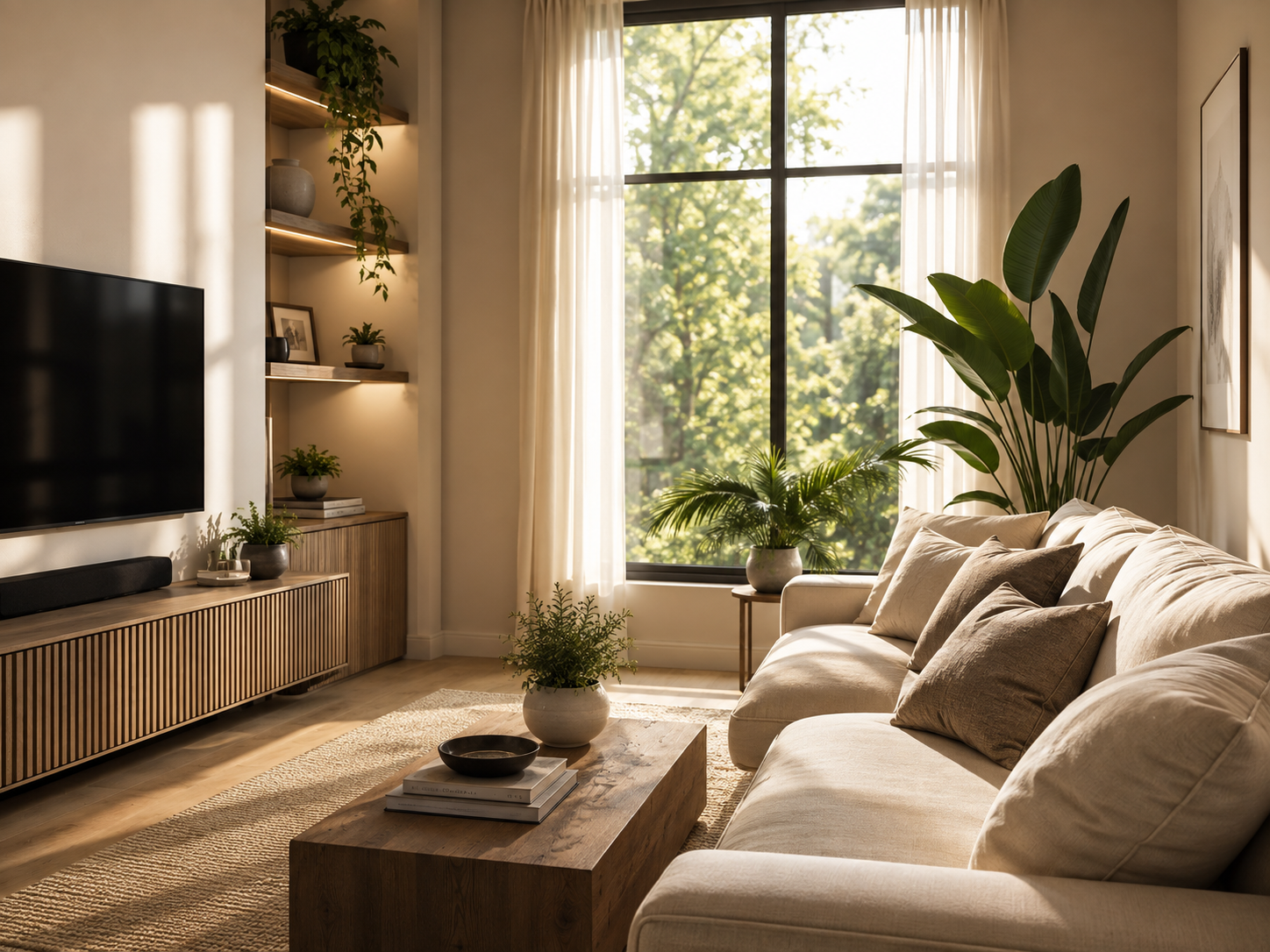
Most homeowners spend a significant amount of time thinking about indoor temperature, but the quality of the air inside the home is just as important to overall comfort. Dust, pollen, pet dander, odors, excess humidity, and other airborne particles can all affect how a home feels.
Indoor air quality is influenced by several systems working together, including filtration, ventilation, humidity control, and the HVAC system itself.
What Affects Indoor Air Quality?
Many everyday activities can introduce particles or moisture into indoor air.
Cooking, cleaning, pets, renovations, outdoor pollen, dust, and humidity can all affect the air circulating through your home. In tightly sealed homes, pollutants and moisture may remain indoors longer if there is not enough fresh-air exchange.
The result may be stale air, noticeable odors, excessive dust, or rooms that feel overly dry or humid.
Your HVAC System Plays an Important Role
Your heating and cooling system continuously moves air throughout the home. Because of this, its condition can directly affect indoor air quality.
Dirty filters, restricted airflow, dusty components, or poorly maintained ductwork can contribute to lower air quality and reduced system performance.
Routine HVAC care helps keep airflow moving properly and gives the system a better opportunity to filter the air effectively.
Filtration Can Make a Significant Difference
The air filter is one of the first lines of defense against airborne particles.
A properly selected filter can help capture dust, pollen, and other particles before they circulate throughout the home. However, using the highest-rated filter is not always the right choice for every system.
Some filters can restrict airflow if the HVAC equipment is not designed for them. A professional can help determine which filtration option provides an appropriate balance between particle capture and airflow.
Consider Whole-Home Air Purification
For homeowners looking for additional air quality support, whole-home air purification systems may provide another layer of protection.
Depending on the system, these products can help reduce certain airborne particles, odors, or contaminants as air passes through the HVAC equipment.
Whole-home systems can be especially convenient because they work with the existing heating and cooling system rather than treating only one room.
Humidity Matters More Than Many Homeowners Realize
Humidity has a major effect on indoor comfort.
When indoor air is too dry, the home can feel less comfortable during winter. Excess humidity, on the other hand, can make warm weather feel heavier and may contribute to condensation and moisture-related concerns.
Whole-home humidifiers and dehumidification solutions can help maintain more balanced indoor conditions when appropriate.
Ventilation Helps Bring in Fresh Air
Modern homes are often built or renovated to be more airtight. This can improve energy efficiency, but it can also reduce natural air exchange.
Proper ventilation allows stale indoor air to leave while introducing fresh outdoor air in a controlled way.
Depending on the home, ventilation solutions such as heat recovery ventilators or energy recovery ventilators may help improve fresh-air exchange without sacrificing too much heating or cooling efficiency.
Ductwork Can Affect Air Quality Too
Dust, leaks, poorly sealed joints, and airflow issues within the duct system may influence how cleanly and effectively air moves throughout the home.
Duct repairs, sealing, or cleaning may be appropriate in certain situations, particularly when there are confirmed contamination issues, renovation debris, or damaged duct sections.
The right solution depends on the condition of the ductwork rather than automatically cleaning it on a fixed schedule.
Signs Your Indoor Air Quality May Need Attention
Some common warning signs include persistent odors, excessive dust, uneven humidity, stale air, noticeable allergy irritation, or rooms that consistently feel uncomfortable.
These symptoms can have different causes, so the best approach is usually to evaluate the entire home comfort system rather than assuming one product will solve everything.
Final Thoughts
Better indoor air quality comes from a combination of proper filtration, airflow, ventilation, humidity control, and regular HVAC maintenance.
Every home is different, which is why the right solution should be based on the layout of the home, the existing HVAC system, and the specific comfort concerns of the homeowner.
If you would like to improve the air inside your home, Venta Home Comfort can help evaluate your system and recommend practical options designed around your needs.
Get a Free Quote to discuss indoor air quality solutions for your home.